
How to Style a Headband: 5 Ways That Actually Look Chic

Let's settle something once and for all: the headband is not a backup plan. It is not what you reach for on a bad hair day and hope nobody notices. Done right, it is the most deliberate thing in the room — a single accessory that can transform a ponytail into a statement, a bun into a whole mood, and a simple blowout into something that looks like it took twice as long as it did.
I have been styling women in New York City long enough to know that the pieces people underestimate are often the ones doing the most work. The headband is at the top of that list. A great headband does not just accessorize your hair — it finishes your entire look. And the best part? The styling principle is the same no matter which headband you choose. Here are five ways I style them, and why each one works.
Hair Down: Let the Headband Lead
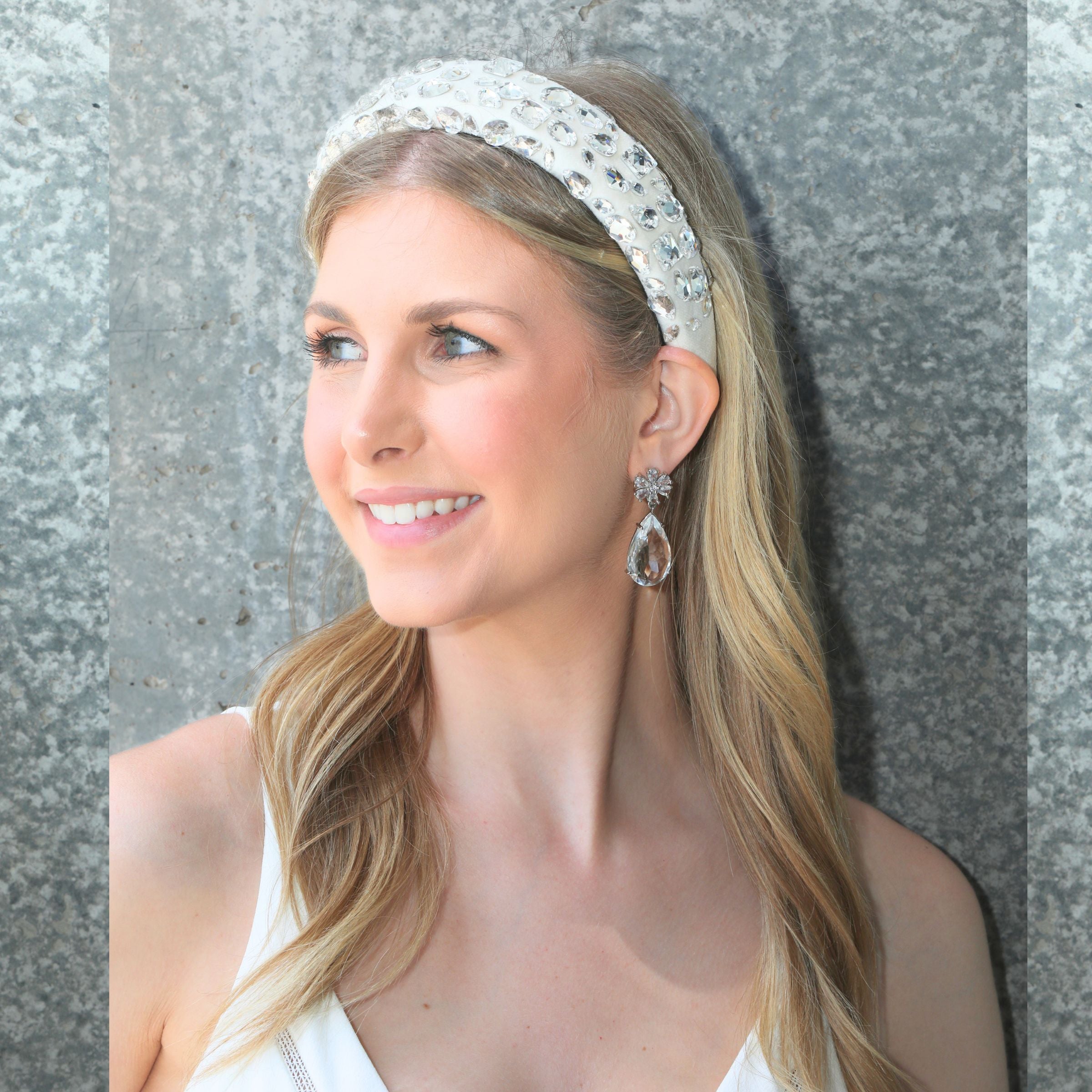
The simplest approach is also the most underrated. Hair down, headband on — and suddenly the whole thing looks intentional. This is the style I reach for when the hair itself is the canvas and the headband is the art. The key is choosing a band with enough personality to carry the look on its own, then letting it do exactly that.
What makes this work is placement. Slide the headband back about an inch or two from the hairline — not too far back, not sitting right at the forehead — so it frames the face without competing with it. Leave the hair loose and slightly textured, with a soft wave if you have the time or natural movement if you do not. The headband does the styling for you. Pair it with delicate jewelry — a simple gold chain, small stud earrings — and resist the urge to add more. This look is already saying everything it needs to say.
The Low Chignon: Timeless, Reimagined
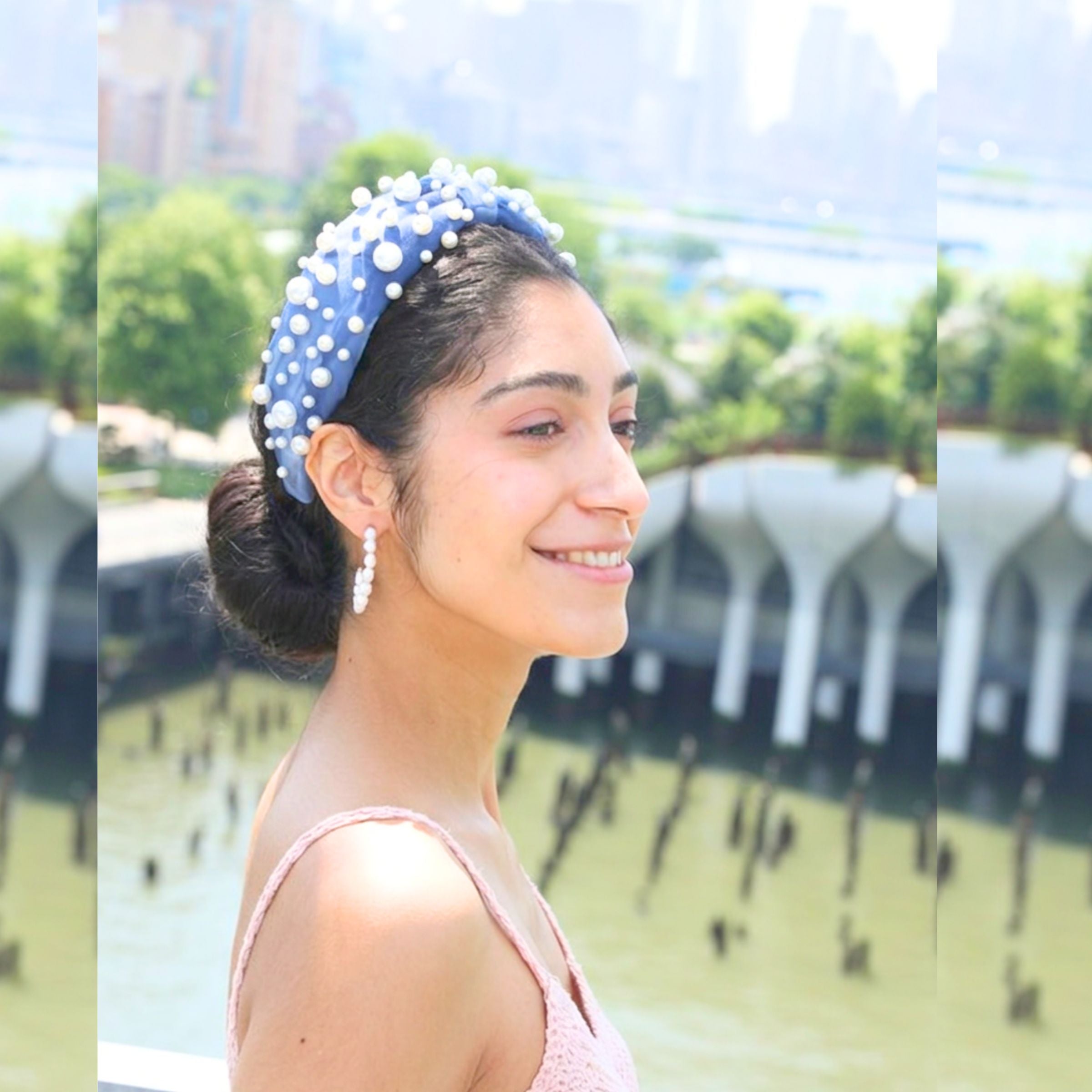
Of all the ways to wear a headband, the low chignon may be the most elegant. It is the style that has lived on every mood board from Paris to New York for a reason: it is clean, it is polished, and it exposes the neckline in a way that feels intentional and refined. The chignon itself is simple — hair gathered and pinned smoothly at the nape of the neck — but what transforms it is the headband. Worn at the crown, it gives the look a structure and presence that would otherwise take a full updo to achieve.
What I love about this combination is how much the headband color changes the entire read of the style. A darker or bolder band feels modern and city-specific — less bridal, more intentional. A lighter or softer tone leans romantic and timeless. Either way, the principle is the same: smooth bun, clean hairline, headband doing the heavy lifting. Keep earrings elegant and let the neckline speak. Shot against a New York City backdrop, this is the look that says: I live here, I know what I am doing, and I do not need to explain either.
Loose Waves, Lightly Tied Back: The Effortless Edit
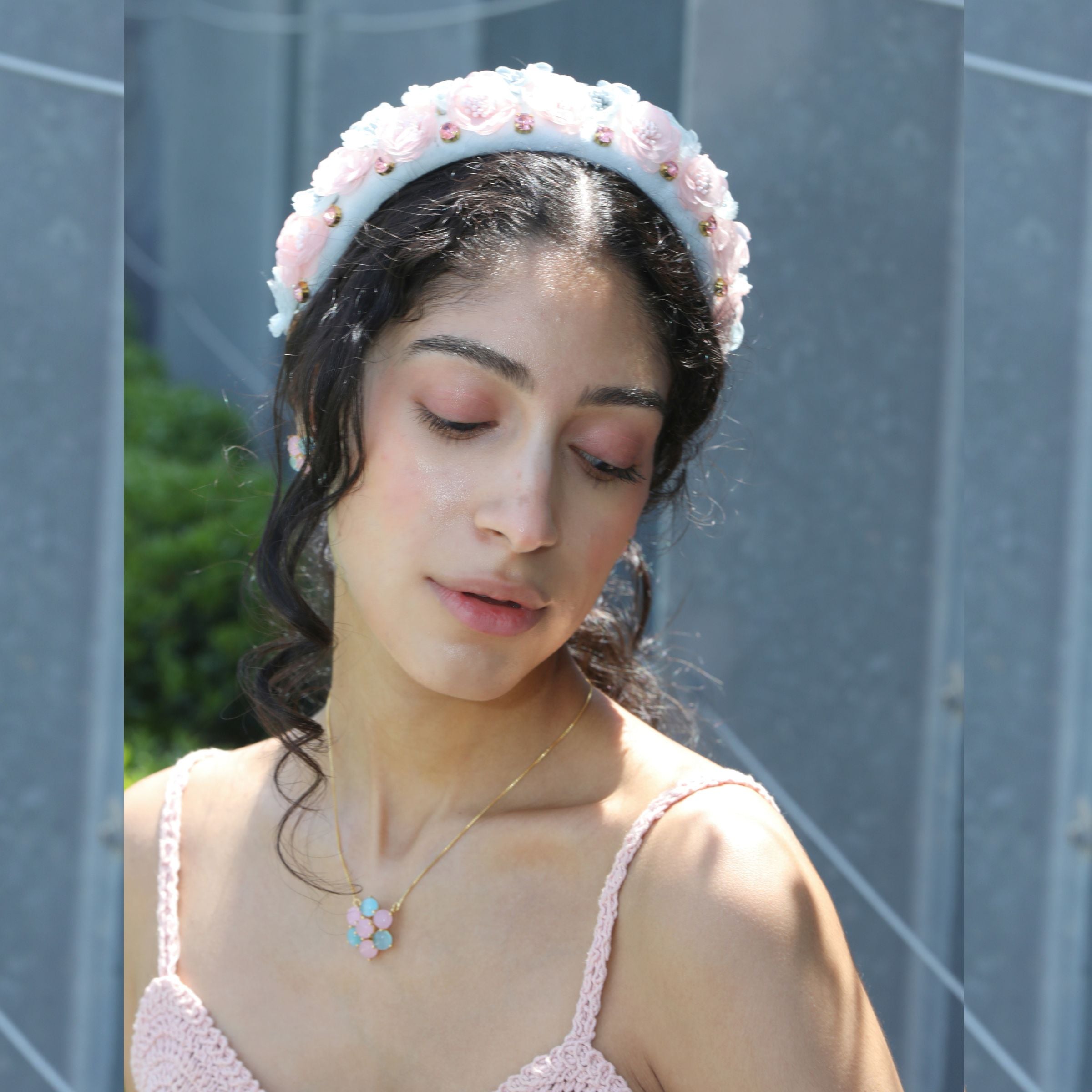
This is the style that looks like you woke up like this, which means it requires a little more thought than it lets on. The idea is to take loosely curled or naturally wavy hair and gather it softly at the back — not a full updo, not a tight ponytail, just a gentle, casual pull-back that keeps the shape of the wave intact. A few loose strands around the face are not a mistake; they are the point.
The headband here acts as the finishing touch that elevates the whole thing from "I just pulled my hair back" to "I styled my hair back." Whatever headband you choose — bold or understated, colorful or neutral — it adds intention to the look without adding effort. This is the style I recommend for brunches, garden events, date nights, and any occasion where you want to feel put-together without looking like you tried too hard. The sweet spot between polished and effortless lives right here.
The Sleek Ponytail: Polish Meets Personality
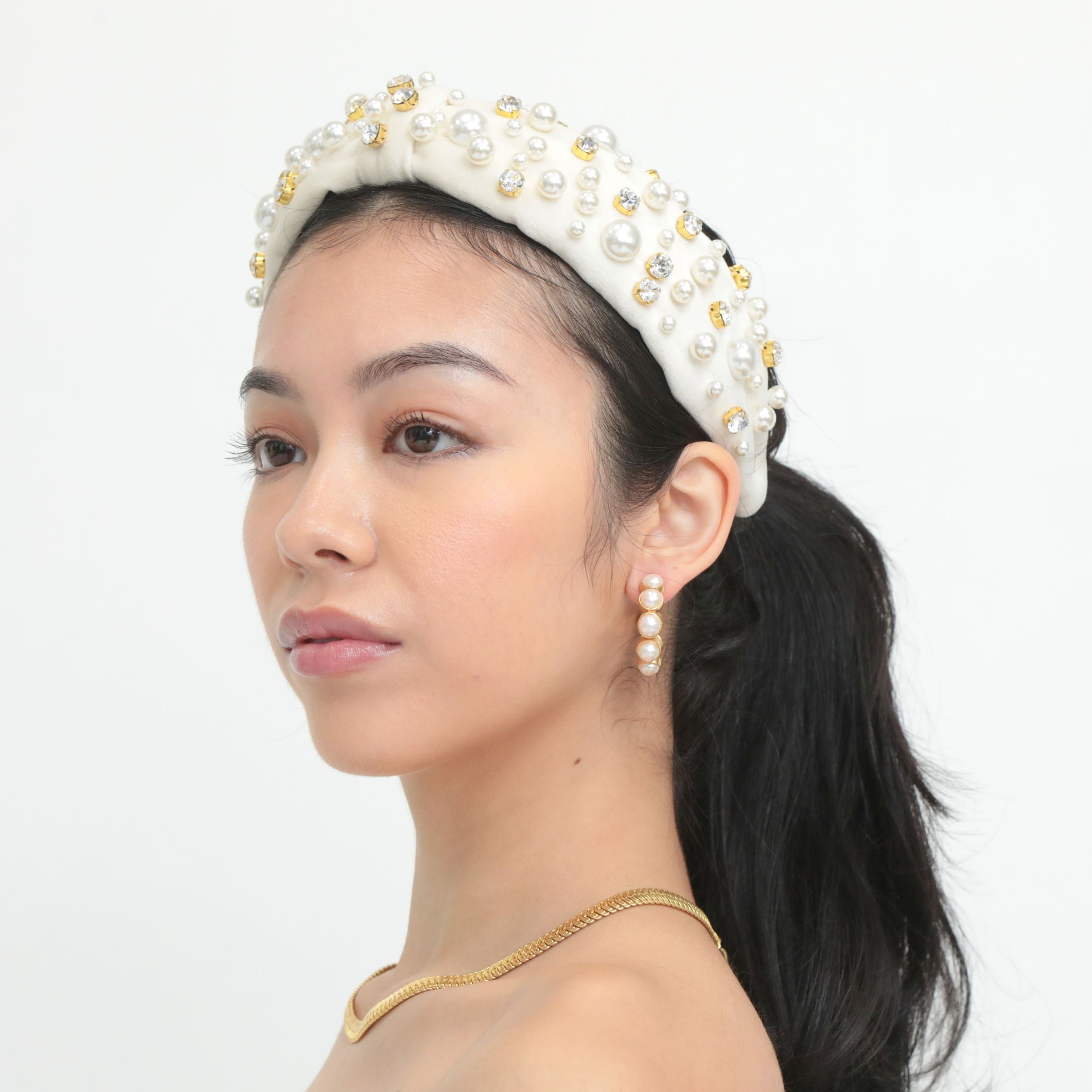
The ponytail is one of the most versatile hairstyles in existence, and yet so many people leave it at plain elastic and call it done. Adding a headband immediately shifts the register. What was a Tuesday look becomes a Thursday evening look. What was functional becomes fashion.
The styling rule here is contrast: the sleeker and more polished the ponytail, the more the headband stands out. Smooth the hair back cleanly, secure it at a height that feels natural for your face shape (neither too high nor too low), and then place the headband about an inch back from the hairline so it sits flush against the crown. Match the mood of your headband to the occasion — something more structured and statement-making for evenings, softer and more relaxed for daytime — and let your earrings echo the energy without copying it exactly. This look works from a morning meeting to an after-work dinner without requiring a single adjustment.
All Back, Sleek Front: The Power Move
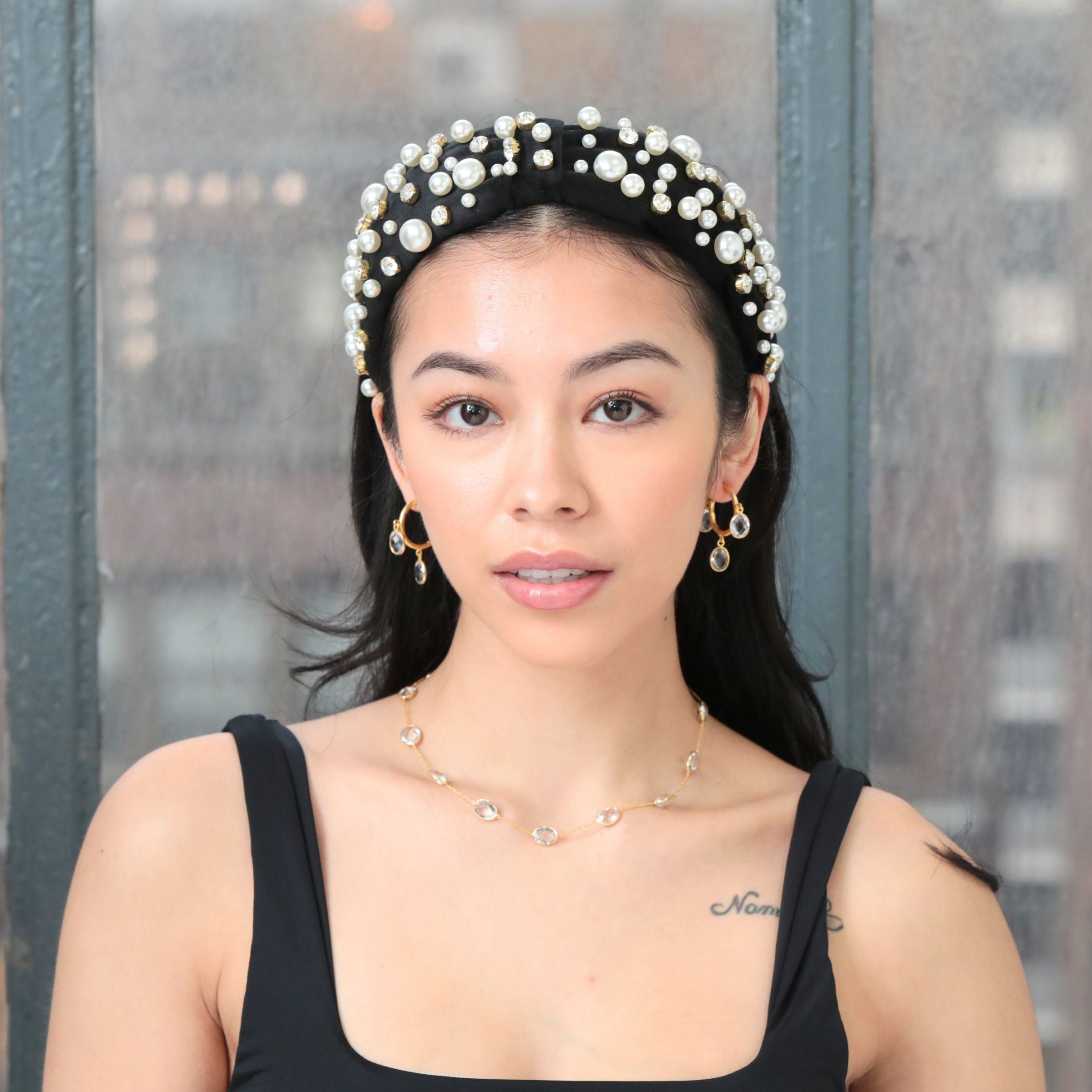
This is the look that stops people in their tracks — and it is simpler to achieve than it appears. Everything pulled back, nothing at the face, and a headband doing the work that a whole evening of styling would otherwise require. It is graphic. It is confident. It is completely unforgettable.
The key to making this work is tension — not in the uncomfortable sense, but in the visual sense. The sleekness of the hair and the presence of the headband need each other. Loose or textured hair softens the impact; smooth hair amplifies it. Use a light serum or pomade to eliminate flyaways, pull everything cleanly off the face, and then let the headband make the statement. Keep jewelry minimal — a delicate necklace or simple earrings are more than enough. This is the look for when you want your accessories to speak first, and louder.
The Through Line
Five styles, one accessory, and a completely different story each time. That is the genius of the headband — it is not a trend, it is a tool. It works with your hair rather than against it, and it rewards the person who is willing to think about placement, proportion, and the one other piece of jewelry worth adding alongside it. Whether your day calls for something romantic, something polished, or something that stops traffic in the best possible way, there is a headband style here for you.
The only question is which one to reach for first.