
The Bridal Trends Defining 2026 Weddings
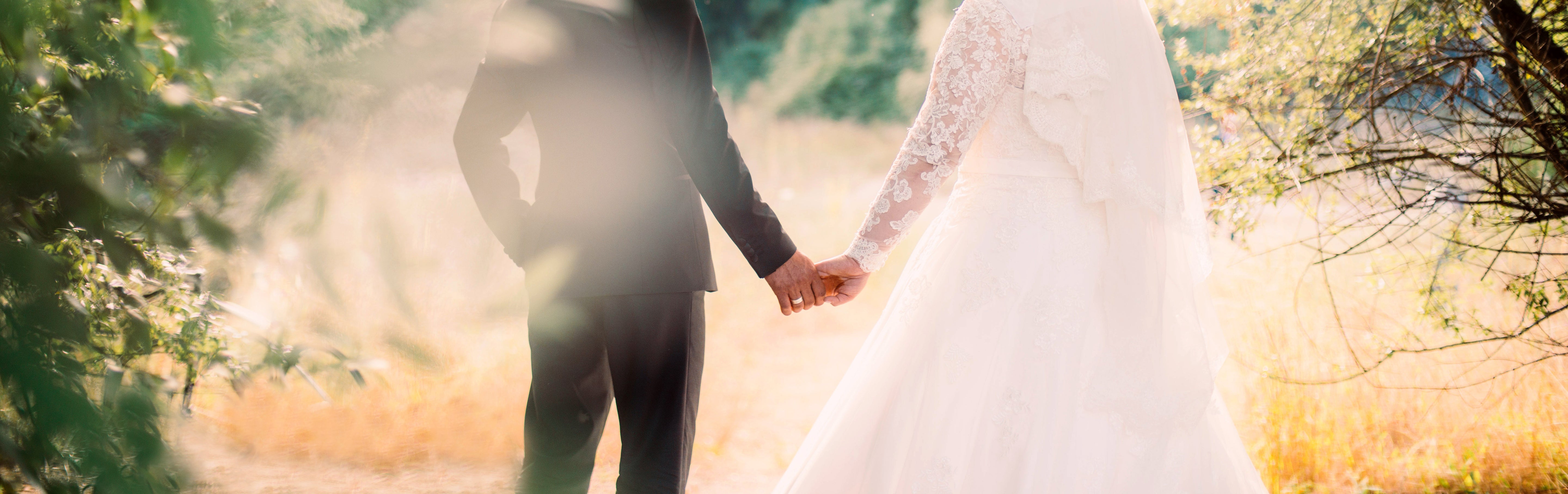
"2026 bridal is where romance is being expressed through fashion."
Bridal fashion in 2026 is moving beyond simplicity into a more fashion-led space. It’s all about silhouette — dresses are adding a sense of polished drama that reflects the overall mood of the wedding. Minimalism hasn’t disappeared, but it’s definitely less dominant. What we’re seeing instead is a shift toward polished maximalism, with manybrides looking for something more expressive and intentional. Rather than relying on a single defining aesthetic, this year’s trends are shaped by a combination of structure, texture, and styling — all working together to create a more elevated and considered look.
Texture, Lace, and Visible Detail
If there’s one defining shift this year, it’s the emphasis on texture.
Lace has made a strong return, but not in a traditional sense. It feels lighter, more modern, and more intentional. Instead of heavy lace, designers are working with delicate patterns and layered techniques that add depth without overwhelming the silhouette.
Alongside lace, corsetry and visible construction are becoming key design elements. Exposed boning and sculpted bodices add structure and shape, allowing the dress to feel both soft and architectural at the same time. Details like appliqué, embroidery, and subtle embellishment are also playing a larger role, giving gowns a richer, more dimensional finish.
What’s emerging is a bridal landscape that feels more designed and more detailed, where silhouette and finish play just as important a role as the gown itself.
Sculpted Silhouettes Take Center Stage
Silhouette is one of the defining elements of 2026. Designers are still embracing softness, but pairing it with sharper styling — more structure, visible corsetry, and more architectural shapes.
The basque waist, with its elongated, dipped waistline, has emerged as one of the most recognizable trends of the year. It creates a sculpted, romantic form and adds drama without feeling overly traditional. Classic silhouettes like the A-line and ballgown are also being reimagined. A-line dresses now feature more structured bodices and textured fabrics, while ballgowns are returning with fuller skirts and a more
fashion-forward edge.
For brides looking for something less conventional, bubble hemlines are gaining attention, bringing a playful, modern twist to bridal dressing.
The Role of Styling and Accessories in Modern Bridal
Styling is becoming an essential part of the bridal look, not just an afterthought.
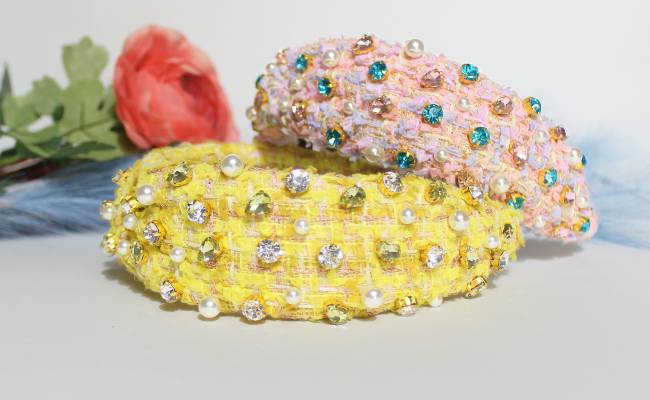
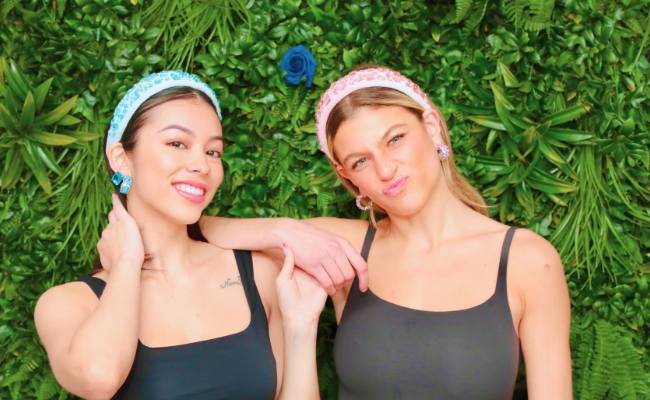
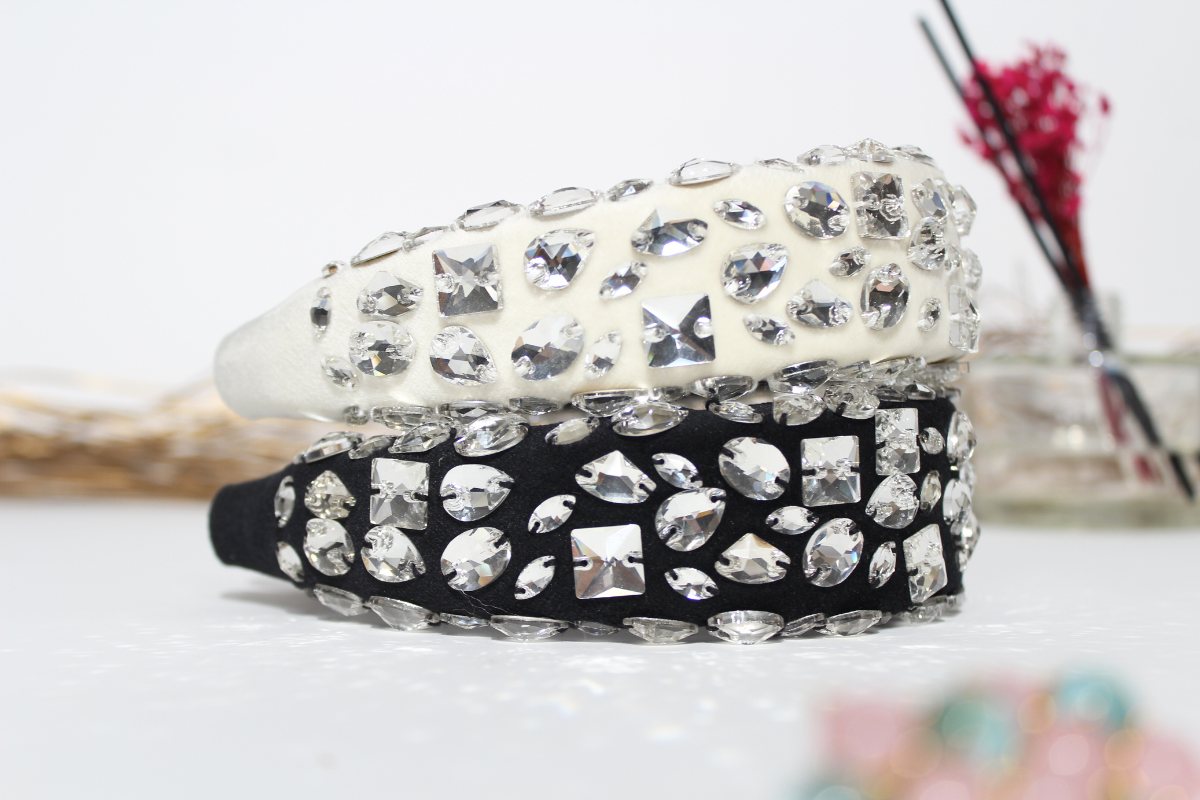
Accessories allow brides to add dimension and personality while tying different elements together. A structured headband, baroque pearl earrings, or statement crystal pieces can transition seamlessly across different looks, adding refinement without competing with the gown.
Balance is key. With more detailed dresses — such as lace or basque waist silhouettes — understated accessories allow the craftsmanship to stand out. Simpler silhouettes, on the other hand, create space for more defined pieces that elevate the overall look.
Comfort is also playing a role. Brides are choosing pieces that feel easy to wear throughout the day, especially as weddings become more dynamic. Lightweight, versatile accessories are becoming increasingly important, not just for the wedding itself but for occasions beyond it.
Beyond One Dress: The Rise of Multiple Looks
Another defining shift in 2026 is the move away from a single wedding outfit. Brides are increasingly choosing:
- a ceremony gown
- a second look for the reception
- and a more relaxed or playful
after-party outfit
This shift allows for greater flexibility in style — from formal silhouettes to lighter, movement-driven designs — and reflects the evolving nature of modern weddings.
It also makes styling more intentional. Even with multiple outfit changes, the overall aesthetic is expected to feel cohesive, with accessories
often acting as the unifying element across each look.
A Softer, More Nuanced Color Palette
While white remains central, 2026 bridal fashion is embracing a softer and more nuanced approach to color.
Subtle tones — from warm ivories to barely-there blush and champagne — are becoming more common, offering depth without straying too far from tradition. Some brides are also incorporating tonal layering to add quiet visual interest.
The overall effect feels less stark and more atmospheric, complementing the textured, layered nature of the gowns.
A More Considered Approach to Bridal Style
Ultimately, 2026 bridal trends are less about following a single aesthetic and more about how different elements come together. Silhouette, fabric, and styling are all being used more deliberately, creating looks that feel cohesive, elevated, and distinctly modern.
Rather than defining bridal fashion through one dominant trend, 2026 is shaping up to be a year of thoughtful design — where detail, proportion, and finish take center stage.